- By Bradley Tomlinson
- February 17, 2026
- 0 Comments
Black History Month is a time to honor leaders like Dr. King and Rosa Parks. It is also a chance to recognize the wisdom that has grown in Black churches, classrooms, and communities.
Black theology is not just theory. It comes from real experiences of struggle, resilience, worship, injustice, and hope.
At its heart is an important question:
What does it really mean to love our neighbor?
Here are five lessons on service from Black theologians and faith leaders, drawn from their words and examples.
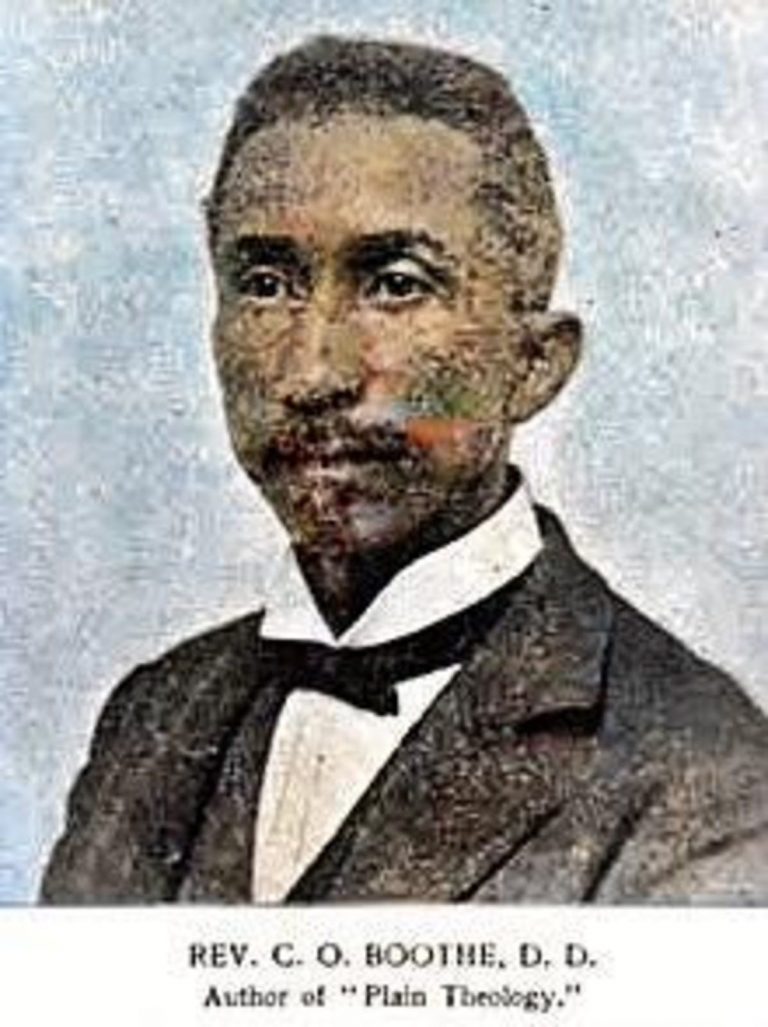
1. Service Must Be Accessible to Everyday People – Charles Octavius Boothe
In 1890, Charles Octavius Boothe wrote Plain Theology for Plain People because he believed theology should not be just for the educated. It should help everyday people live out their faith.
Boothe saw doctrine as something to shape our hearts, not just to show off knowledge. He wanted to help ordinary Christians understand their faith in ways that affect daily life.
In the preface to Plain Theology for Plain People, Boothe says his goal was to present theology “in as plain a manner as possible,” so believers could understand and use biblical truth.
This idea has a strong message for how we serve others:
If theology is for plain people, then service is too.
Service is not just for pastors, activists, or theologians. It is for parents, teachers, mechanics, students, and anyone following Christ in daily life.
Practical takeaway: Keep obedience simple. Faithful service starts right where you are.
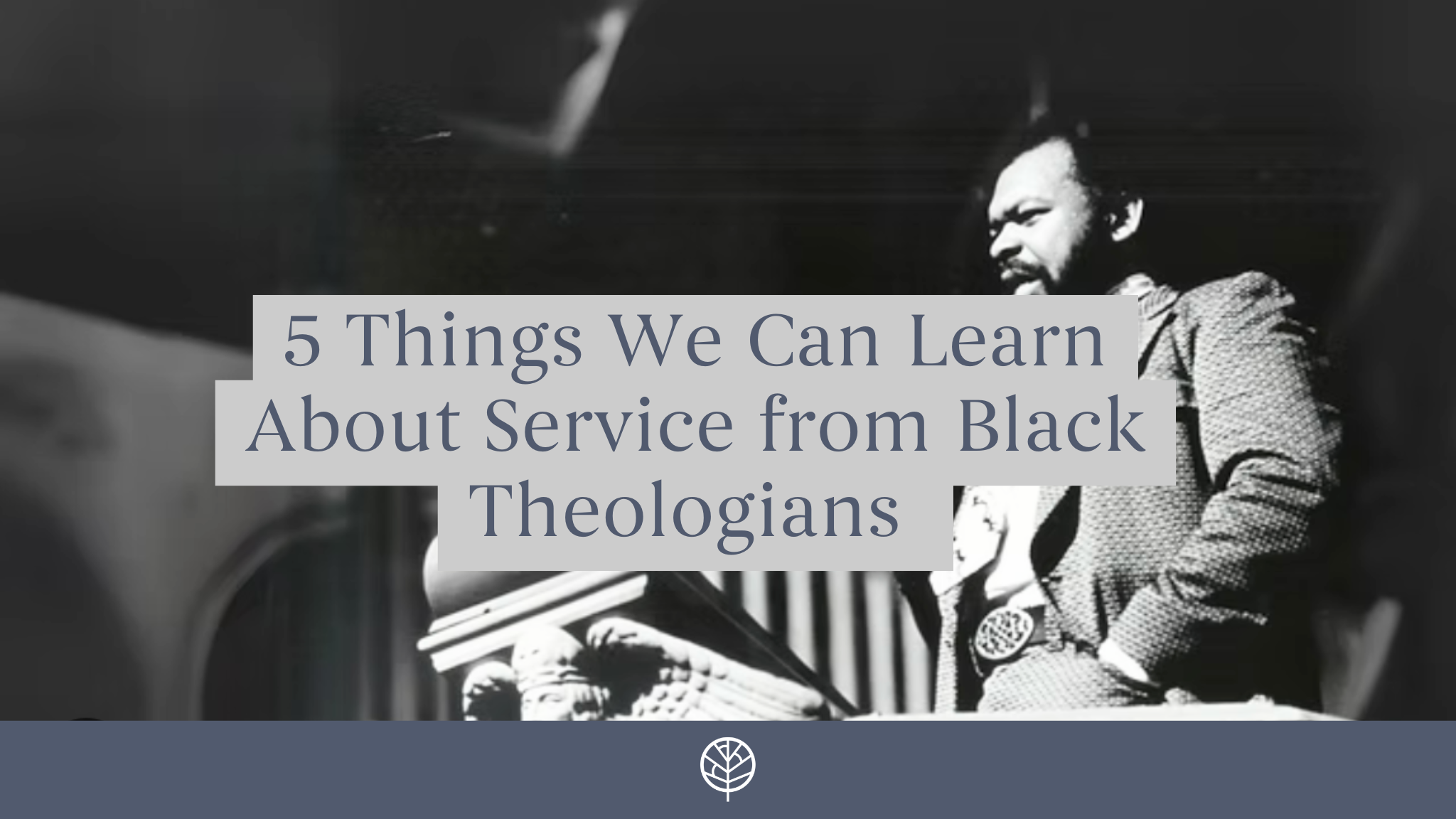
2. True Service Names Injustice, Not Just Kindness – Tom Skinner
Tom Skinner called on the American church to address racial injustice as part of the gospel. He believed Christ’s message should guide how we live together.
In Black and Free, Skinner writes:
“Any gospel that does not deal with the issue of justice is not the gospel.”
And he warned:
“The gospel is the good news that God has intervened in history through the person of Jesus Christ to liberate men from every form of bondage.”
Service is more than giving to charity. It also means working for justice. Loving our neighbor means challenging the systems that harm them.
Practical takeaway: Don’t just ask, “How can I help?” Also ask, “What needs to change?”
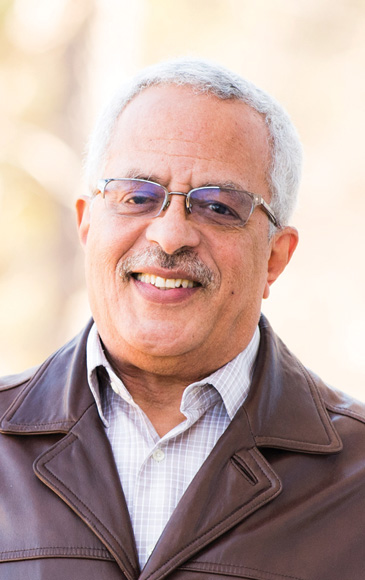
3. Service Connects the Gospel to Culture – Carl Ellis Jr.
Carl Ellis Jr. often says the gospel should connect with the real cultures people live in. He has worked to shape a theology that speaks to urban and marginalized communities and stays true to the Bible.
Ellis writes:
“The gospel addresses the whole of life.”
and
“Biblical faith must speak to the real questions people are asking.”
Service requires cultural understanding. It is not a one-size-fits-all approach. It listens to the context and applies biblical truth in ways that fit real life.
In practice, this means serving in ways that are faithful and aware of culture, building bridges instead of creating more division.
Practical takeaway: Learn about the culture you serve. Love listens before it speaks.
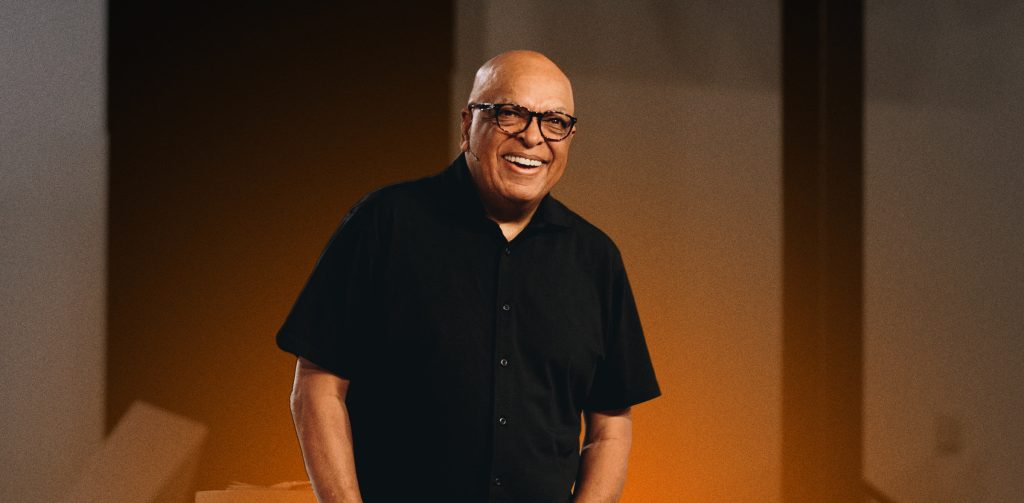
4. Service Is Rooted in Personal Integrity – Crawford Loritts
Crawford Loritts often teaches that real ministry begins with personal obedience. Public impact grows out of private faithfulness.
He writes:
“You cannot give what you do not have.”
For Loritts, service is not about performance. It comes from the heart. If our faith is shallow, our service will not last. But when we are grounded in prayer, humility, and character, our service is steady and real.
This calls us to consider not just what we do for others, but also who we are becoming as we serve.
Practical takeaway: Grow deeper with God. Lasting service comes from spiritual integrity.
5. Service Is a Long– Term commitment – Mary McLeod Bethune
Mary McLeod Bethune’s life was marked by steady, visionary service. She started schools, mentored leaders, and worked for education and racial equality.
Her words reflect her enduring hope:
“Without faith, nothing is possible. With it, nothing is impossible.”
And in her final testament, she wrote:
“I leave you love. I leave you hope. I leave you the challenge of developing confidence in one another.”
Bethune saw service as work that lasts for generations. It is not always dramatic. It is steady, faithful, and often happens quietly.
Practical takeaway: Stay committed for the long term. Real change takes time.
Black theologians show us that service is not just something extra to faith; it is proof of it. Loving God means loving our neighbor through our actions, words, resources, and lives.
As we honor Black History Month, let’s remember not just names and milestones, but also put their wisdom into practice. May our service, rooted in humility, justice, and love, point others to the heart of Christ.
Because in the end, faith that does not move us toward our neighbor is not complete; it is unfinished.
This blog was not just meant to inspire you or add more names to your Black History list. I hope it encourages you to apply at least one takeaway and change the way you live and serve.
Sources:
Bethune, Mary McLeod. Last Will and Testament. 1955. Reprinted in various archival collections, including Bethune-Cookman University Archives and the National Archives.
Boothe, Charles Octavius. Plain Theology for Plain People. Nashville: Publishing House of the A.M.E. Sunday School Union, 1890.
Ellis Jr., Carl F. Free at Last? The Gospel in the African American Experience. Downers Grove, IL: InterVarsity Press, 1996.
Loritts, Crawford. Leadership as an Identity: The Four Traits of Those Who Wield Lasting Influence. Chicago: Moody Publishers, 2009.
Skinner, Tom. Black and Free. Grand Rapids, MI: Zondervan Publishing House, 1970.